

Back when High on Life 2 was revealed, word spread across the information superhighway of Bible Adventures’ inclusion – one of the NES’ more notorious bootlegs, often torn apart by YouTubers. Squanch Games hinted at other retro games “so bad they’re good” being included in their warped sci-fi shooter sequel too, remaining curiously tight-lipped.
Play High on Life 2 for around an hour, and eventually you’ll reach the new main hub – which includes an arcade with five playable retro games, each requiring a cartridge to unlock. Like Bible Adventures, these are all licensed by Piko Interactive – a name Evercade owners will be familiar with – and are surprisingly deep cuts of video game history.
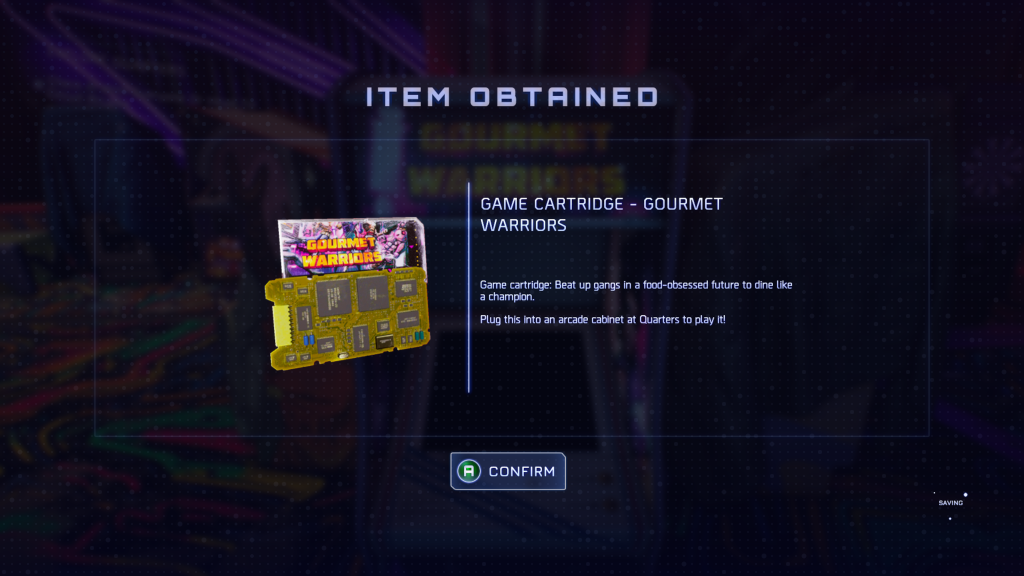
The first unlockable is the Super Famicom’s Gourmet Warriors, nee Gourmet Sentai Barayarō. This scrolling beat’em up was published in Japan by Virgin Interactive, and presents a curious mixture of side-scrolling brawling and cooking – with ingredients collected used to cook health restoring meals between stages. It’s often likened to a Choaniki game due to featuring a ‘pose’ button, prompting the heroes to flex their pecks. It’s well worth a playthrough, being more accomplished than most examples of the genre on SNES.
Rewinding back, Bible Adventures was the result of an ingenious workaround. In the ‘90s Nintendo was cracking down on creators of bootleg NES games, informing retailers that if they sold unlicensed products, they’d be cut off from receiving their latest releases. With next to no video game stores left to turn to, Wisdom Tree (formally Color Dreams) shifted to Christian bookstores to sell their illicit wares – one area they believed Nintendo wouldn’t touch. Trying to ban religion-themed video games wouldn’t have been a good look, and so Wisdom Tree was able to flood bookstores with a variety of Bible-based software. Bible Adventures is essentially a (very) poor man’s take on Super Mario Bros. 2 due to its grabbing and throwing mechanics, although it can be unintentionally amusing.
This brings us to Super Noah’s Ark 3D – another by Wisdom Tree. A rare example of a bootleg SNES game, it plays just like Wolfenstein 3D, and there’s a reason for that – it uses the same engine, officially licensed from id Software. Urban legend has it that id was so annoyed with Nintendo for censoring Wolfenstein 3D that they gave Wisdom Tree permission to use the engine, but this has since been debunked. Another interesting thing about Super Noah’s Ark 3D is that it can be traced back to an abandoned Hellraiser movie tie-in. Not only did Wisdom Tree lack an outlet to sell such a thing (imagine that sat next to a copy of The Bible) but they also believed it compared badly to DOOM, sparking it to star Noah and a bunch of animals to rescue.
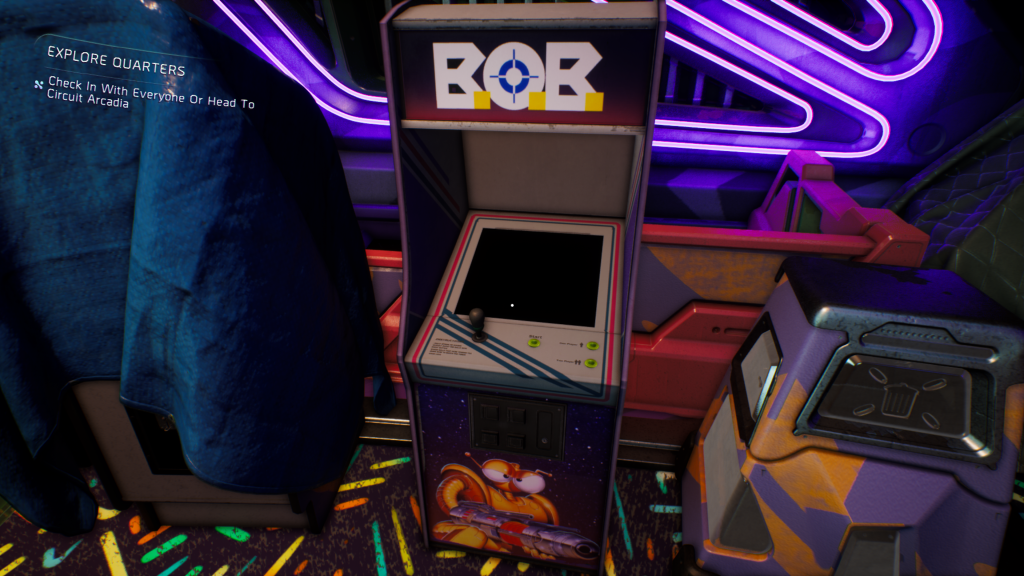
Then we have two quintessentially ‘90s mascot platformers – B.O.B and Radical Rex. The run ‘n gun focused B.O.B made its debut on SNES and Mega Drive in 1993, published by EA. While reviews were above average, it didn’t sell well enough to merit a sequel. Radical Rex meanwhile was handled by Activision in the US, launching on SNES, Genesis, and SEGA CD. It’s a good fit for High on Life 2, starring a skateboarding T-Rex, but not a very good game overall – and it’s pretty ugly too. The history of Radical Rex goes back to Baby T-Rex on Game Boy; a stock platformer Beam Software localised for different countries, adding various recognisable licenses. It was meant to be an Edd the Duck game in the UK until the deal with the BBC fell through.
If you’re planning on playing High on Life 2, consider giving yourself 30 mins to button bash through Gourmet Warriors – the best of the bunch here – and maybe check out B.O.B and Super Noah’s Ark 3D. That’s providing you can draw yourself away from the spoof Frasier Crane claw machine, of course.