

Last month, the 3D platformer Yooka-Laylee gained a shot at redemption in the form of Yooka Re-Playlee – a complete overhaul of the 2017 original, aiming to fix its multitude of flaws. This month, 2016’s Anima: Gate of Memories and its 2018 follow-up gain a revival in a new bundle, with these being western developed hack ‘n slash RPGs that also arrived to wildly mixed reviews. Whereas Yooka-Laylee gained a full revamp however, Anima Gate of Memories’ improvements are mostly cosmetic. You can probably already tell where this review is heading.
Based on a Spanish tabletop game, which helps provide lore and flesh out the backstory, the first Gates of Memories stars a slender magic welding female known as The Bearer and her thuggish male cohort Ergo, who is trapped in a book. Consequently, that book now talks. And sings. And makes feeble jokes. The direct follow-up (subtitled The Nameless Chronicles) isn’t a full-on sequel but a companion story told from the perspective of a story-centric villainous swordsman known as The Nameless. It reuses numerous locations, albeit with some differences, along with featuring a succession of battles against The Bearer and Ergo as they complete their quest.
The Nameless Chronicles is the better of the two due to its cleverly intertwined narrative and more ambitious puzzles. Generally, it’s a lot more focused. It’s a shame, then, that you’ll need to play through the original for it to make an iota of sense, as after the revised combat tutorial you’re left to figure things out for yourself.
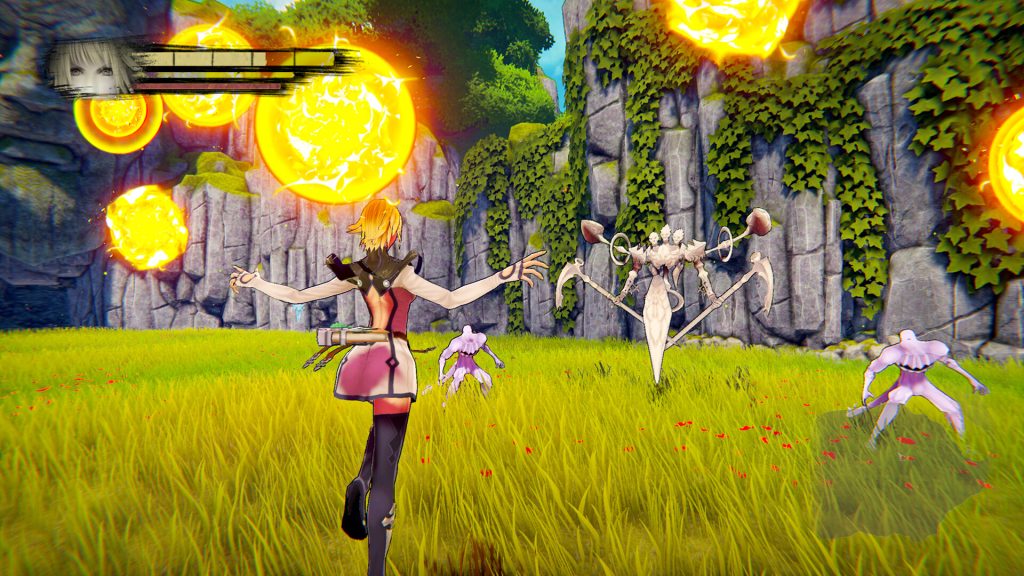
As this is a real time action RPG, our heroes (and antihero) are able to attack enemies directly, lashing out with kicks and claw swipes, flinging projectiles from afar, and launching enemies into the air a la Devil May Cry. The Bearer and Ergo can be swapped between at any time – even mid combo – and have their own health bars. The potential is there to forge The Bearer as a ranged attacker and use Ergo for melee, but you’ll need to work hard to set the two apart, as they level up at the same time and have very similar attacks. Not helping matters is the fact that new weapons only increase stats incrementally, and in most cases decrease a stat or two such as critical rates. The need to swap characters occasionally is still there though, as some enemies are only harmed by Ergo’s projectiles and visa versa. The Nameless can charge attacks to perform unblockables, making him play differently to Ergo, but not by a great deal.
While combat is fast-paced and allows for experimentation once more moves are available, many battles devolve into tedious projectile slinging matches, and it’s also easy to ‘stun lock’ foes by performing dash attacks constantly. Bosses are a mixed bag too, with some being creative and challenging (one battle sees you fight two enemies in parallel worlds, both of which must be defeated simultaneously) and others being frustrating, including a fight against The Nameless – who can drain a health bar in one hit, forcing you to use a potion every time.
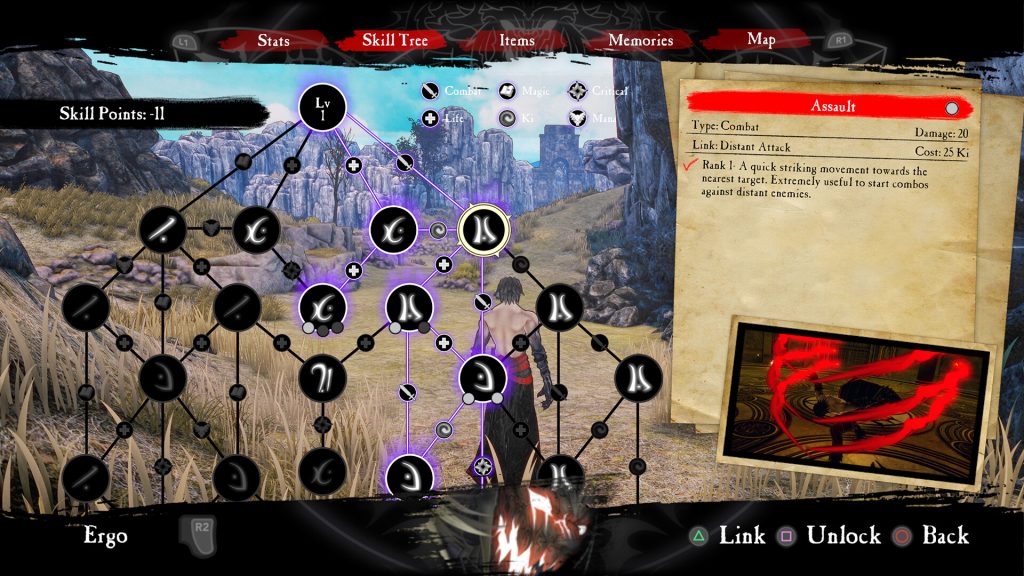
Other RPG features are pretty much limited to the skill tree, which has a variety of moves to unlock before assigning them to different buttons. There isn’t much in the way of typical RPG quests, making for an experience that’s initially baffling, almost to the point of being directionless. You’re simply thrown into a grand palace hub with three portals to different realms (or labyrinths, if you prefer) and left to crack on, with the second floor – giving access to more portals – unlocking once beating the first three bosses. The hub also features a save point that’s easy to overlook, simply being a makeshift bed located in a corridor, and the item vendor that you’ll sometimes need to visit before taking on a boss, prompting a backtrack. Incidentally, every realm has a portal discoverable around the halfway point that’ll take you back to the hub, which assists when revisiting for any reason.
After around two hours of making little headway, everything finally clicked into place. The aim is to head into a realm – with locations including a dilapidated mansion filled with puppets, a grassy meadow with rolling hills, and a world based around the four seasons – to collect memories by defeating mini bosses, exploring the labyrinth-like dungeons, solving puzzles, and overcoming tricky platforming challenges. By progressing, you’ll eventually end up at a boss room, with fights only commencing if you’ve found at least three memories. This gives the potential to skip challenges too complex, as well as giving leeway for any possibly overlooked – which is very easy to do. While there is a tally of collected memories, it’s etched into the hub’s core, and yet again, is very easy to overlook.
Indeed, there is very little in the way of guidance here. There’s a map showing open and locked exits, sporadically placed NPCs to talk to and…that’s about it. No quest log, no waypoints to current objectives – nothing. Upon entering a room with a puzzle, you’re left to figure out what’s required to progress, with no hints whatsoever. One location even has a puzzle with multiple solutions, each unlocking a door, with nothing to inform if all solutions have been found. It’s at times like this that it’s very easy to wonder if you’ve missed something or have reached an area where it’s currently impossible to progress.
Just to further highlight how thoroughly Gate of Memories is set in its ways, there’s an optional quest to find keys and free prisoners. This prison can be found in the hub’s basement, right? Nope. It’s halfway into the first labyrinth, requiring a gauntlet run of spiked walls to avoid when revisiting. It’s also very fond of featuring labyrinths with branching paths and rooms that aren’t shown on the map, forcing you to look everywhere if an exit isn’t obvious. While some of its puzzles are clever, including a tower climb with moving platforms to relocate, they can be obtuse with it.
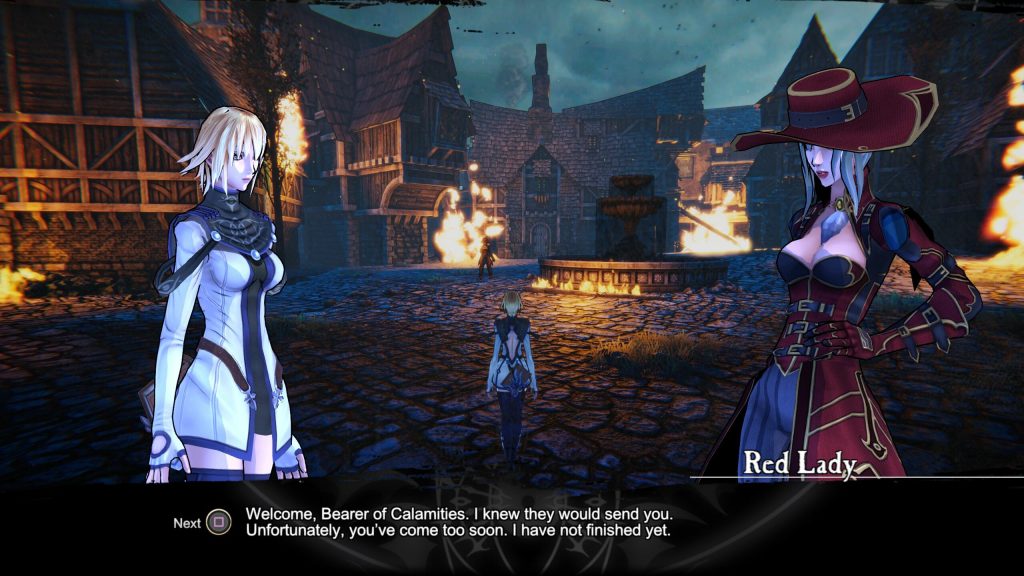
Anima: Gate of Memories I&II Remaster is an odd proposition. These are long lasting games (expect to put in 40+ hours to see everything, including the NG+ endings) with rich lore, and thanks to being remastered they look a little better than they did in 2018. Not exactly current-gen quality visuals, but pleasant enough, with most realms having at least one alluring area. But both are still trapped in the past, featuring combat that’s functional yet far from fluid, and a main quest with bare minimum guidance. The lack of new content makes this a particularly hard sell for fans of the series, who also are likely aware of how tedious both become.
Ideally, developer Anima Project needed to take a leaf out of Bandai Namco’s RPG remaster book and implement new quality of life features, such as objective markers, new voice acting, improved dialogue, easier access to the shop, and so forth. Even the character models here look like they’ve stepped out of the original, with Ergo’s cloak seemingly made from cardboard.
Much like the recent Plants vs. Zombies: Replanted and Puzzle Quest: Immortal Edition, Anima: Gate of Memories I&II Remaster only seems to exist as a means to get it onto modern platforms (a Switch 2 version is planned) and back into the limelight. Something like Stranger of Paradise: Final Fantasy Origin or NieR: Automata would be a much wiser purchase; even though both are knocking on a bit, they still feel fresher than this. It’s neat that Anima Gate of Memories can be compared to these titles, but that comparison is only on a surface level. The new paintjob isn’t enough to mask its cracks; some so large you’ll notice them within moments of starting out.
Anima Project’s Anima: Gate of Memories I&II Remaster is out 7th Nov on PS5, Xbox Series and PC. A Switch 2 version is planned for a later date.